Why People Track the Schumann Resonance
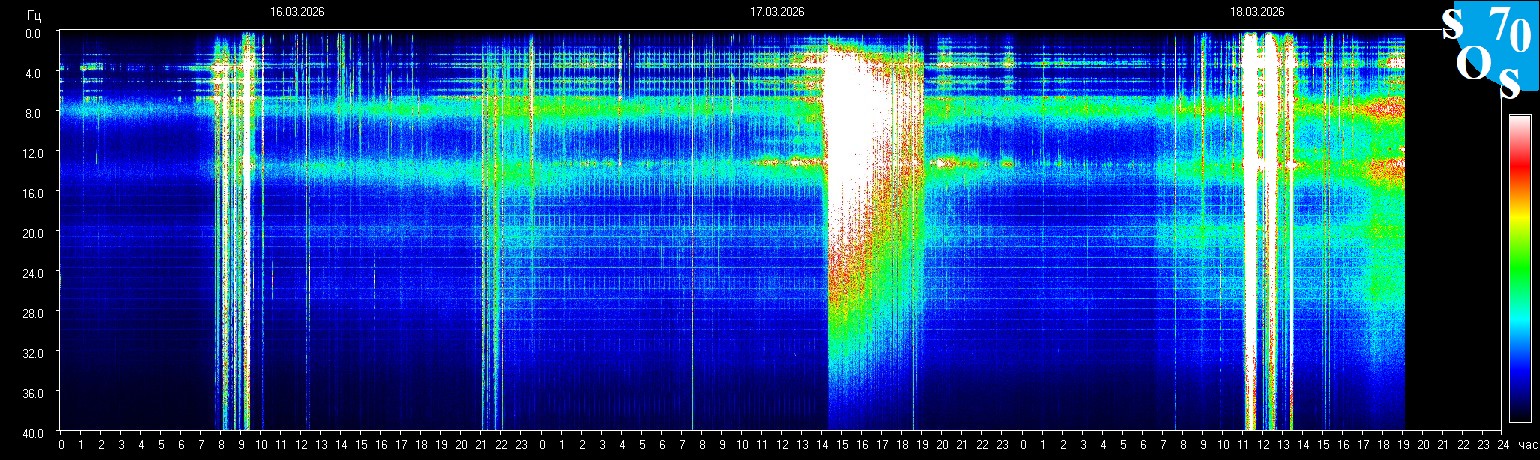
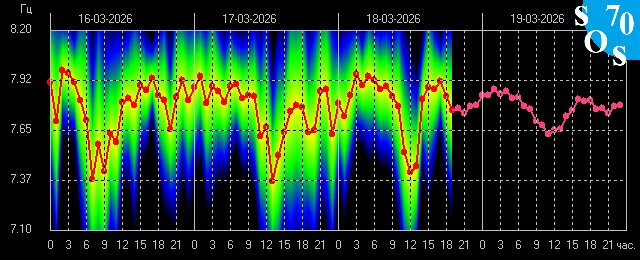
The 7.83 Hz fundamental frequency of the Schumann resonance sits right at the border of the alpha brainwave range, which spans roughly 8 to 12 Hz. Alpha waves are associated with calm, relaxed awareness. This overlap caught the attention of the meditation community decades ago, and it stuck.
Today, thousands of people check Schumann resonance data as part of their morning routine. It is similar to checking the weather. Not because the data tells you exactly what your day will bring, but because it gives you a reference point. A way to feel connected to something larger than your own thoughts.
Some people are drawn to it for scientific curiosity. Others find it grounding to know that Earth itself produces a measurable pulse. Whatever the reason, tracking this signal has become a quiet daily practice for a growing number of people around the world.
What Practitioners Report
We want to be straightforward here: what follows is anecdotal. These are things people in the community share with each other, not conclusions from peer-reviewed research.
Some practitioners report that meditation sessions feel deeper or more focused during periods of elevated Schumann resonance amplitude. Others notice changes in sleep quality or mental clarity that they correlate with shifts in the signal. A few track patterns over weeks or months, looking for rhythms that match their own experience.
Many simply find value in the act of paying attention. Checking in with Earth's electromagnetic background each morning becomes a small ritual. It does not require believing that the signal directly affects your body. The practice itself, the pausing and noticing, has its own value.
What we can say with confidence: the signal is real, it is measurable, and it fluctuates naturally throughout each day. Everything beyond that, in terms of human effects, remains in the territory of personal observation.
How to Use EarthBeat for Your Practice
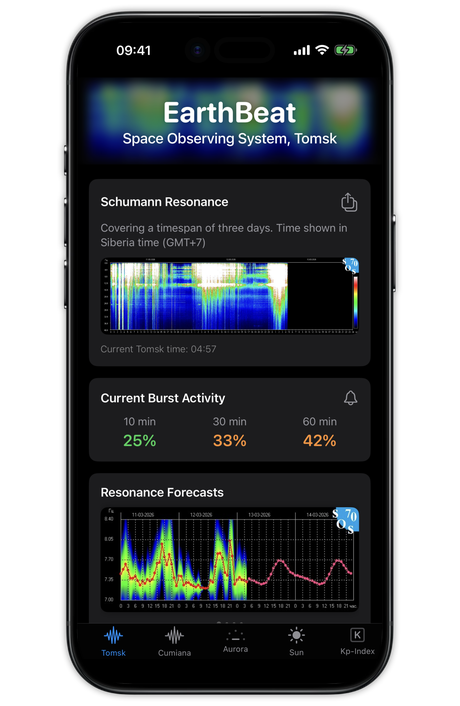
EarthBeat was built to make this data accessible to everyone, not just physicists. The app offers daily readings in both a scientific and an awareness flavor, so you can choose the framing that fits your perspective.
Here is how practitioners typically use it:
- Morning check: Open the app and glance at the current Schumann resonance readings. Note the amplitude level. That is your baseline for the day.
- Historical patterns: Browse past data to see how the signal has moved over the previous week. Look for patterns that catch your eye.
- Personal tracking: After meditation or other mindfulness activities, note how the session felt. Over time, you build your own dataset of observations alongside the instrument data.
- Notifications: Get notified when Schumann resonance burst activity is detected, so you are aware of unusual activity without constantly checking.
The app also tracks space weather and the Global Consciousness Project, giving you a broader picture of Earth's electromagnetic environment.

Check in with a glance
Home screen and lock screen widgets show Schumann resonance data at a glance. Set up your daily check-in without even opening the app.
A Mindful Approach to Data
Data is a tool. How you use it matters.
It is tempting to see a correlation and jump to a conclusion. You had a great meditation session, and the Schumann resonance was elevated. That must mean something, right? Maybe. But a single coincidence is not a pattern, and a pattern is not a cause.
The most valuable approach is simple: observe without judging. Track your experience alongside the data. Notice when things seem to line up and when they do not. Stay curious. Give yourself permission to not know.
This is, after all, what mindfulness is about. Being present with what is, without rushing to explain it.